
Protective Coverings for Stained Glass
Independent specifications for glazing systems that shield your stained glass from weather, vandalism, and deterioration — without compromising beauty.
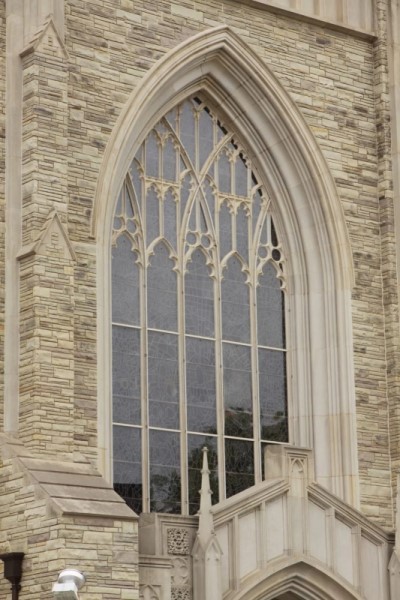
Shield Your Windows from the Elements — and From Mistakes
Protective coverings (also called protective glazing or storm glazing) are one of the most effective ways to extend the life of stained glass windows. But the wrong system — poorly specified or improperly installed — can actually cause more damage than it prevents.
NSGCG provides independent protective covering specifications. We evaluate your windows, recommend the right approach, and write specifications that ensure proper ventilation, materials, and installation — without being tied to any vendor.
Why Protective Coverings Matter
 Weather Protection
Shield stained glass from wind, rain, hail, and temperature extremes that accelerate deterioration over time.
Vandalism Deterrent
An effective barrier against rocks, baseballs, and intentional damage — especially important for street-facing windows.
Energy Efficiency
Properly specified coverings create an insulating air gap that reduces heating and cooling costs — paying for themselves over time.
Ventilation Control
Critical: improper coverings trap moisture and cause condensation damage. We specify proper ventilation to prevent this common mistake.
Preservation Value
Extends the life of your stained glass by decades — reducing the frequency and cost of future restoration work.
Budget Protection
Independent specifications enable competitive bidding and prevent vendors from over-selling unnecessary premium options.
Avoid the #1 Protective Covering Mistake
The most common problem we see? Protective coverings installed without proper ventilation. Moisture gets trapped between the covering and the stained glass, causing lead corrosion, paint deterioration, and mold growth.
This is entirely preventable with proper specifications. Our independent approach means we specify what's right for your windows — not what's most profitable for a vendor.
- Independent specifications — no vendor ties
- Proper ventilation requirements built into every spec
- Material recommendations based on your specific conditions
- Competitive bidding saves you money
