Few investments in a building's preservation program deliver more long-term value than a properly designed protective glazing system for stained glass windows. A well-specified system can extend the functional life of an historic stained glass installation by 50 years or more, shielding it from vandalism, weather, UV radiation, and the physical forces that cause lead and glass to deteriorate over time.
The qualifier "properly designed" carries significant weight. An improperly designed protective covering system — and there are many of them installed on buildings across the country — can trap heat and moisture in the cavity between the covering and the original window, creating a microenvironment that accelerates exactly the deterioration the system was meant to prevent. Understanding the difference between a system that protects and a system that harms begins with understanding how these systems work.
What a Protective Glazing System Is
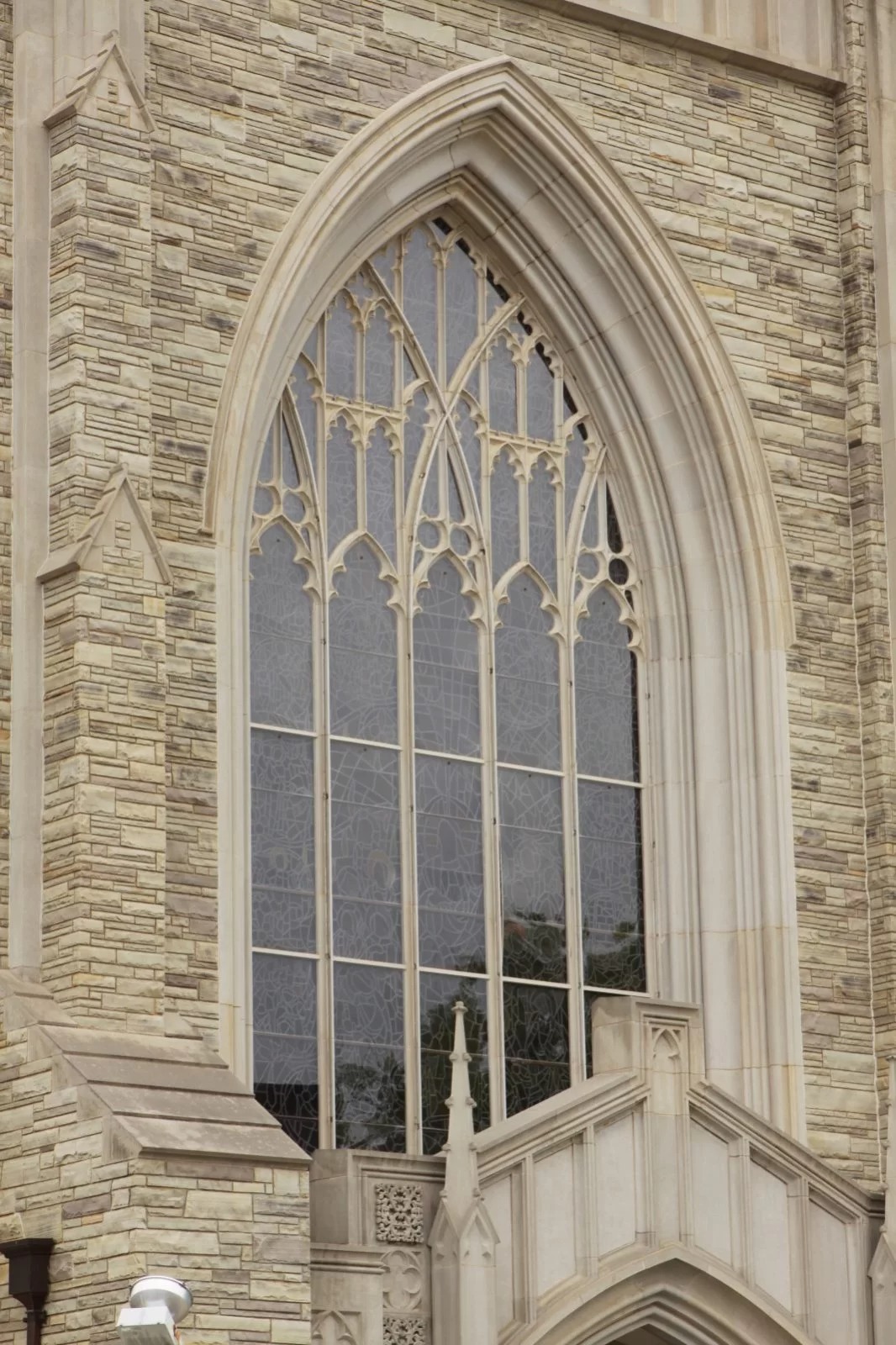
A protective glazing system is an exterior or interior layer of clear glazing — typically tempered glass, laminated glass, or polycarbonate — installed over the stained glass window within its opening. The protective layer absorbs the physical and environmental stresses that would otherwise act directly on the original stained glass: hailstones, windborne debris, vandalism impacts, UV radiation, and wind pressure loads.
When functioning correctly, the system creates a buffer that the original window never has to absorb. The stained glass behind the protective covering is essentially retired from active duty — still visible, still beautiful, but no longer bearing the load of exterior exposure.
The Critical Role of Ventilation
The single most important design parameter in a protective glazing system is ventilation of the cavity between the protective covering and the original window. Without adequate ventilation:
- Solar heat gain in the cavity can reach 160°F or higher on a summer day, causing thermal expansion stress that cracks glass and deforms lead
- Moisture condensation on interior surfaces promotes lead oxidation, paint deterioration, and biological growth on historic glass surfaces
- Stagnant air traps pollutants against the original glass, accelerating surface corrosion that would not occur in a naturally ventilated environment
A properly ventilated system maintains air movement through the cavity, equalizing temperature and humidity with the ambient exterior environment. The ventilation openings must be sized correctly for the window area, protected against water intrusion, and positioned to create effective airflow patterns rather than stagnant pockets.
"A protective covering system that is correctly specified with appropriate ventilation gaps, drainage, and frame design protects rather than harms the original window. Improperly designed systems trap heat and moisture, accelerating the deterioration they were meant to prevent."
Types of Protective Glazing Materials
Each material type has different performance characteristics. The selection should be driven by the specific protection requirements, aesthetic context, and budget constraints of each project — not by what the installer has in stock.
Polycarbonate is often recommended by contractors because it is inexpensive and easy to install. For long-term historic preservation applications, however, its susceptibility to UV-induced yellowing and surface scratching makes it an inappropriate choice. The optical distortion it introduces over time alters the appearance of the stained glass in ways that are difficult to reverse without replacing the covering entirely.
Frame Design and Drainage
The frame system that holds the protective glazing must be designed to:
- Maintain the required cavity depth between the protective covering and the original window (typically 1.5–3 inches)
- Provide ventilation openings at the bottom and top of each panel, sized to the cavity volume
- Direct condensation and any water intrusion through drainage weep holes without allowing water to pool
- Accommodate the thermal expansion and contraction of the protective glazing material without creating stress at glass edges
- Allow the original window to be accessed for maintenance or removal without disturbing the protective system
- Match the architectural character of the opening — aluminum mill finish is rarely appropriate for historic stone buildings
Frame systems that are too shallow create cavity temperatures that approach or exceed the damage threshold for historic glass. Frame systems that are poorly drained trap water that then migrates into the wall construction, causing masonry damage that is far more expensive to remediate than the stained glass it was supposed to protect.
Why Independent Specification Is Essential
Protective covering systems are sold and installed by contractors who have a financial interest in recommending the materials they stock and the system details they are familiar with. Without independent specifications, the contractor defines the system — and the building owner has no basis to evaluate whether the design is appropriate for their windows.
NSGCG writes technical specifications for protective covering systems that define cavity depth, ventilation requirements, drainage design, frame finish, glazing material, and edge details. These specifications are then used to solicit competitive bids from qualified contractors, ensuring that:
- The system is designed around the actual needs of the windows, not the contractor's inventory
- Multiple contractors bid on identical scope, establishing competitive pricing
- The installed system can be evaluated against the specification for compliance before payment is authorized
What to Look for in a Protective Covering System
- Cavity depth of 1.5–3 inches between protective glazing and original window
- Ventilation openings at top and bottom of every panel, properly sized
- Drainage weep holes at frame base with no water-trapping geometry
- Glazing material appropriate for long-term historic preservation (tempered or laminated glass preferred)
- Frame finish appropriate to the building's architectural character
- Access provisions for original window maintenance without system removal
- Written specifications defining all of the above before bidding begins
Cost Considerations
Protective covering systems represent a significant capital investment. For a typical church with a dozen windows, installed costs commonly range from $40,000 to $150,000 depending on window size, material selection, and frame complexity. This is not a small expenditure — but it should be evaluated against the cost of repairing or replacing windows that are damaged by the very exposure the covering would have prevented.
A stained glass window that costs $15,000 to restore today may cost $35,000 to restore in twenty years if continued exposure accelerates its deterioration. The economics of protective glazing become compelling very quickly when evaluated over a realistic maintenance horizon.
The independent specification and competitive bidding process consistently reduces installed costs by 15–30% compared to single-source contractor proposals, while producing a technically superior system. For a $80,000 project, that represents $12,000 to $24,000 in direct savings — many times the cost of the independent consulting work.
To discuss whether a protective covering system is appropriate for your windows, contact Karl Erickson at (507) 312-9370 or request a consultation online.